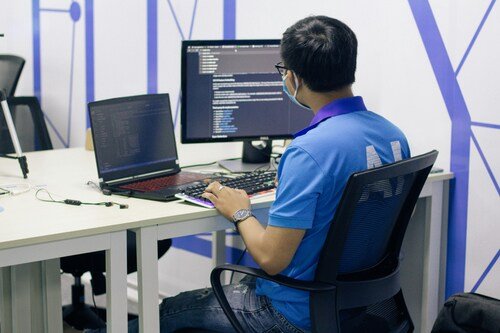
Understanding the Cybersecurity Risks of Remote Work
As remote work becomes increasingly prevalent, it is essential to recognize the distinctive cybersecurity risks that remote workers encounter. One of the most pressing threats is phishing attacks, which exploit human psychological factors to deceive individuals into divulging sensitive information. Research suggests that remote work has led to a significant upsurge in such attacks, as cybercriminals take advantage of the isolated and often less secure environments that remote employees operate within.
Another critical risk associated with remote work is the use of insecure Wi-Fi connections. Many remote workers depend on public Wi-Fi networks, which can be vulnerable to interception by malicious actors. These unprotected networks often lack encryption, rendering any transmitted data, such as login credentials and sensitive files, susceptible to eavesdropping. The National Institute of Standards and Technology (NIST) highlights that unauthorized access in these scenarios can lead to severe data breaches, further emphasizing the need for robust security practices.
Statistics underline the growing cybersecurity challenges in remote working arrangements. According to recent surveys, 60% of organizations reported an increase in cyber incidents after shifting to remote operations. This trend indicates not only a growing threat landscape but also suggests that many employees may lack adequate training in recognizing and mitigating cybersecurity risks.
To navigate these threats, it is beneficial to be familiar with key cybersecurity terms. “Data breach” refers to unauthorized access to confidential information, while “malware” encompasses malicious software designed to infiltrate and damage systems. Understanding these concepts helps in grasping the broader implications of cybersecurity challenges in remote work environments.
Best Practices for Ensuring Remote Work Security
In today’s environment, ensuring cybersecurity while working remotely is not just a precaution; it has become a necessity. Organizations and individuals alike must adopt best practices to enhance remote work security and safeguard sensitive information.
One of the fundamental steps is the use of strong, unique passwords for accounts. Weak or easily guessable passwords can serve as gateways for cybercriminals. Therefore, employing a password management tool can help create and store complex passwords securely. Furthermore, it is crucial that these passwords are unique for different accounts to minimize risk.
In addition to secure passwords, enabling multi-factor authentication (MFA) significantly enhances account protection. MFA requires users to provide two or more verification factors to gain access, making it difficult for unauthorized users to compromise accounts. This layer of security can prevent breaches even if a password is stolen.
Regularly updating software is another crucial aspect of cybersecurity during remote work. Software developers frequently release patches and updates that address vulnerabilities. Ensuring that all applications, including operating systems, are up to date is vital in defending against potential threats, as outdated software can be an easy target for attackers.
The use of Virtual Private Networks (VPNs) is also encouraged for remote workers, especially when accessing company resources from public or unsecured networks. VPNs encrypt internet connections, which protects sensitive data from eavesdropping and attacks. This is particularly important given the reliance on home networks, which may not always have robust security measures in place.
Lastly, educating remote workers on cybersecurity awareness is imperative. By understanding the various types of cyber threats and how to recognize suspicious activities, employees can act proactively to protect their work environment. Regular training sessions and updates on cybersecurity best practices can enhance awareness and promote a culture of security.
Tools and Technologies to Enhance Cybersecurity for Remote Workers
In the era of remote work, ensuring cybersecurity is paramount for both individuals and organizations. A robust cybersecurity strategy includes various tools and technologies designed to protect sensitive information and maintain the integrity of digital communications. Key components of this security infrastructure include antivirus software, firewalls, secure file sharing solutions, and remote desktop solutions.
Antivirus software is foundational in protecting devices from malware, ransomware, and other malicious threats. Popular antivirus solutions, such as Norton, Bitdefender, and Kaspersky, offer real-time protection, regular updates, and comprehensive scanning capabilities. These tools are vital for remote workers who may connect to unsecured public networks.
Firewalls play a crucial role in safeguarding devices by controlling incoming and outgoing network traffic. They act as a barrier between a trusted internal network and untrusted external networks. Solutions such as ZoneAlarm and pfSense are valuable for remote work environments, providing features like intrusion detection and prevention systems to enhance security.
Secure file sharing solutions are essential for maintaining confidentiality during collaboration. Tools such as Dropbox Business and Google Drive offer end-to-end encryption, ensuring that files are only accessible to authorized users. Both options cater to individual and enterprise-level needs, promoting secure document handling and sharing.
Remote desktop solutions, including TeamViewer and Microsoft Remote Desktop, enable secure access to work devices from various locations. These tools utilize strong encryption protocols to protect sensitive data transmitted over the internet, ensuring that employees can efficiently work from any location without compromising security.
In conclusion, leveraging a combination of antivirus software, firewalls, secure file sharing solutions, and remote desktop technologies is essential for creating a secure remote work environment. Understanding the specific needs of both individuals and businesses will guide in selecting the most suitable tools to bolster cybersecurity effectively.
Creating a Cybersecurity Policy for Remote Workers
In today’s digital landscape, the rise of remote work has necessitated the establishment of comprehensive cybersecurity policies specifically designed for remote employees. These policies serve as a framework to guide workers in protecting sensitive information while accessing company resources from outside the traditional office environment. A well-structured cybersecurity policy delineates clear guidelines regarding the acceptable use of devices, which is paramount in ensuring data integrity.
Key components of an effective cybersecurity policy should include stipulations on the use of personal devices, mandating secure configurations and up-to-date software installations. It is crucial to outline protocols for data access, emphasizing the principle of least privilege, whereby employees are granted access only to the information essential for their job functions. Additionally, a defined procedure for reporting cybersecurity incidents should be implemented, empowering employees to quickly notify IT personnel of suspicious activities, potential breaches, or lost devices.
Create your own meme and give your thoughts a fun, shareable twist that others will instantly connect with.
Moreover, security protocols specific to remote work should be outlined, including the use of Virtual Private Networks (VPNs) for secure connections, multifactor authentication (MFA) to add an extra layer of protection, and guidelines for secure password management. Regular security training sessions are also vital; they keep employees abreast of the latest cybersecurity threats and reinforce adherence to company policies. This ongoing education not only fosters a culture of vigilance but also equips remote workers with the knowledge to recognize and respond to emerging risks effectively.
As remote working becomes increasingly prevalent, establishing and regularly updating a robust cybersecurity policy will be instrumental in safeguarding organizational assets and ensuring the confidence of both employees and clients. By prioritizing these measures, companies can better protect themselves against the evolving landscape of cyber threats.
About the Author